
Meta description: Week 1 of the 2025 NFL season delivered shockers, injuries and instant overreactions. Here’s a clear, fantasy-first recap, what actually matters, waiver targets, and the start/sit guidance you can use for Week 2.
If Week 1 taught us anything, it’s that fantasy managers will overreact — loudly and often. There were bright debuts (rookies making noise), established stars carrying teams, and more than a few disappointing box scores that will lead to knee-jerk roster moves. The biggest takeaway: don’t throw out the offseason research you did because of one Sunday. Small-sample noise, game script, injuries and coaching tweaks drive early chaos — and those things tend to normalize.
Quick hits — Week 1 standout fantasy performances
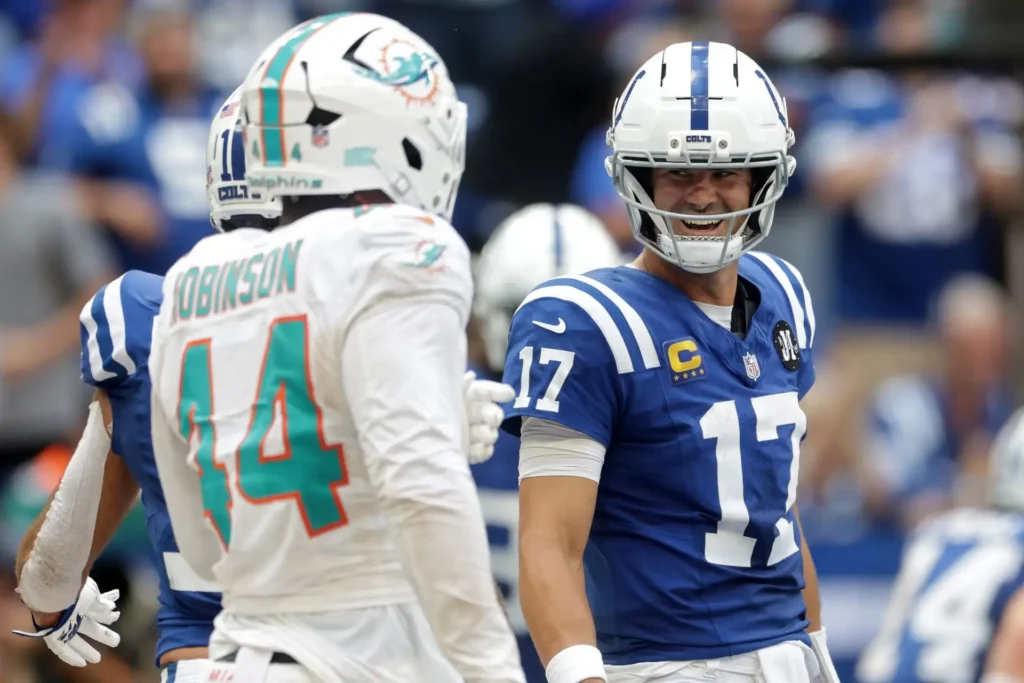
- Daniel Jones (Colts) — Came out blazing in his Colts debut: a clean, efficient passing day and two rushing TDs that produced a huge fantasy line and swung narrative headlines about a bona fide new Aaron Rodgers-lite threat in Indy. NFL.com
- Justin Fields (Jets) — Showed immediate rushing upside and scoring chops in his Jets debut, delivering multiple rushing TDs and a fantasy-performance that will keep him rostered as a top dual-threat QB option. NFL.com
- Puka Nacua (Rams) — Despite injury scares reported during the game, Puka looked like… Puka: huge target share and volume (10 catches, 130 yards) that demand immediate fantasy attention. Volume equals fantasy value. Reuters
- Bijan Robinson (Falcons) — Quiet as a runner, loud as a receiver: his receiving line (6 catches for 100 yards and a TD) immediately confirms true pass-game usage and adds RB PPR upside. That receiving work matters for fantasy floor and ceiling. FantasyPros
- Marvin Harrison Jr. (Cardinals) — Early flashes of a sophomore leap: efficient target conversion, a long play and a TD in Week 1 — encouraging signs that the offseason development is showing up on tape. ESPN.com
- Emeka Egbuka (Bucs) — Rookie moment: 4 catches, 67 yards and two TDs including a game-winner in a noise-filled debut — immediate waiver attention in some formats. CBSSports.com
The narrative: why Week 1 feels so wild (and why that’s normal)
- Small sample size — One game doesn’t define usage trends. Coaches and game plans still adjust. Early season volatility is expected.
- Game script distorts box scores — Blowouts (or near blowouts) create one-off rushing or garbage-time stats that skew fantasy perception. For example, teams that dominate time-of-possession can suppress expected volume for certain players in a single week.
- Injuries = overreactions — Early injuries create uncertainty; fantasy managers often panic-sell, but many injuries are short-term or manageable. Don’t trade away long-term upside for panic cash.
- Rookie and depth breakouts — Rookies, late-round sleepers and depth receivers who flash will get fantasy buzz. Many of those performances are repeatable thanks to roles; others are matchup-fueled. Evaluate route participation and target share before committing to roster moves.
Overreactions to avoid this week
- Dropping signal-callers or WRs after a single dud. Week 1 anomalies (weather, chips on O-line, penalties) lead to low-volume games. Keep an eye on snap share and target share — those matter more than raw yardage.
- Panic-trading a top asset for next-week posterity. The market will overvalue immediate producers; if you’re selling a known high-floor player for a hot Week 1 breakout, that’s usually a losing move.
- Trusting touchdowns alone. TDs are volatile. Prioritize consistent involvement (routes/run snaps/targets) over isolated scoring plays when projecting rest-of-season value.
What to watch in Week 2 (usage & metrics, not just fantasy points)
- Target share and routes run — a player with 8+ targets and heavy route participation is trustworthy; a one-off gadget TD isn’t.
- Red-zone involvement — touchdowns are random, but repeated red-zone looks equal sustainable TD opportunity.
- Backfield split clarity — examine touch share and goal-line carries before making RB decisions; Week 1 often clarifies committee roles.
Waiver wire priorities (short list)
(Designed for 12-team redraft / PPR formats — adapt by league size)
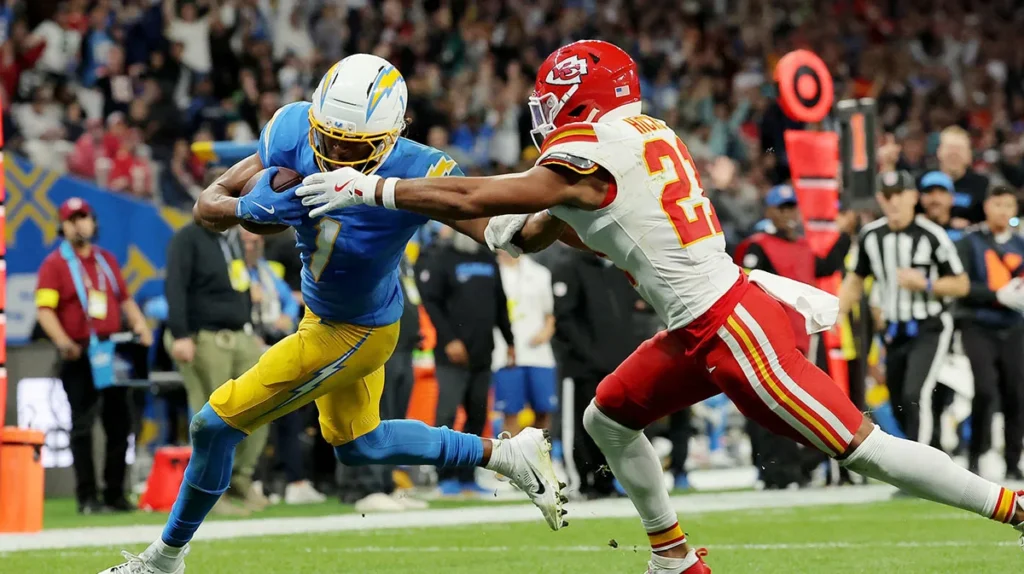
- Quentin Johnston, WR, LAC (Rostered: ~8%) Scored twice on eight targets in Week 1, thriving in Harbaugh’s pass-friendly offense with Herbert. High-upside flex add for WR-needy teams.
- Kayshon Boutte, WR, NE (Rostered: ~1-2%) Led Patriots in routes (44), targets (8), catches (6), and yards (103) in Week 1. Volume king in a thin WR group—stash for PPR flex value.
- Juwan Johnson, TE, NO (Rostered: ~1%) Top Week 1 TE scorer (15.6 half-PPR) with 8/76 on 11 targets as Rattler’s safety net. Streamer or TE2 with consistent volume potential.
- Daniel Jones, QB, IND (Rostered: ~5%) Historic Colts debut: Scored on every drive, 22/29 for 272 yards, TD, plus rushing. Dual-threat streamer with Week 2 upside in superflex/2QB.
Trade and roster strategy — practical rules to follow
- Hold season-long builders — Don’t trade away multi-week upside for a single good or bad stat line.
- Buy low on proven players who had anomalous Week 1s — If a top-12 RB has a dud and the coach confirms backup motivation is low, they’re often on sale.
- Sell high on true lottery tickets — If someone exploded but lacks sustained role (small route share / situational usage), consider selling into the hype.
Start / Sit rules-of-thumb for Week 2
- Start: players with high target share and route participation (e.g., WRs with 8+ targets); consistent pass-game RBs in PPR.
- Sit: players who scored via lone long TD but ran few routes and had low snap share. Matchup matters — check the opponent’s weakness vs position.
- Quarterbacks: Favor rushing upside QBs in fantasy formats that reward rushing. A multitalented QB with rushing TDs gives stable high-floor production (Week 1 examples made this obvious). NFL.com+1
Final thoughts — a concise Week 1 checklist for managers
- ✅ Don’t overreact. One week is noise.
- ✅ Check context. Volume (targets/routes/snap share) >>> single-game fantasy point totals.
- ✅ Be strategic on the wire. Prioritize role and repeatable opportunity over highlight plays.
- ✅ Use trades to shore up weaknesses, not chase Week 1 hot hands.
Week 1 gave us fireworks, surprises and panic — all the ingredients that make fantasy football both maddening and addictive. The smartest managers this week will keep their offseason research (target share projections, strength-of-schedule, snap-rate expectations) and fold Week 1’s signal into a longer view rather than treating it like gospel